Are Dental Implants in Turkey Safe? Certifications & Standards (2026)
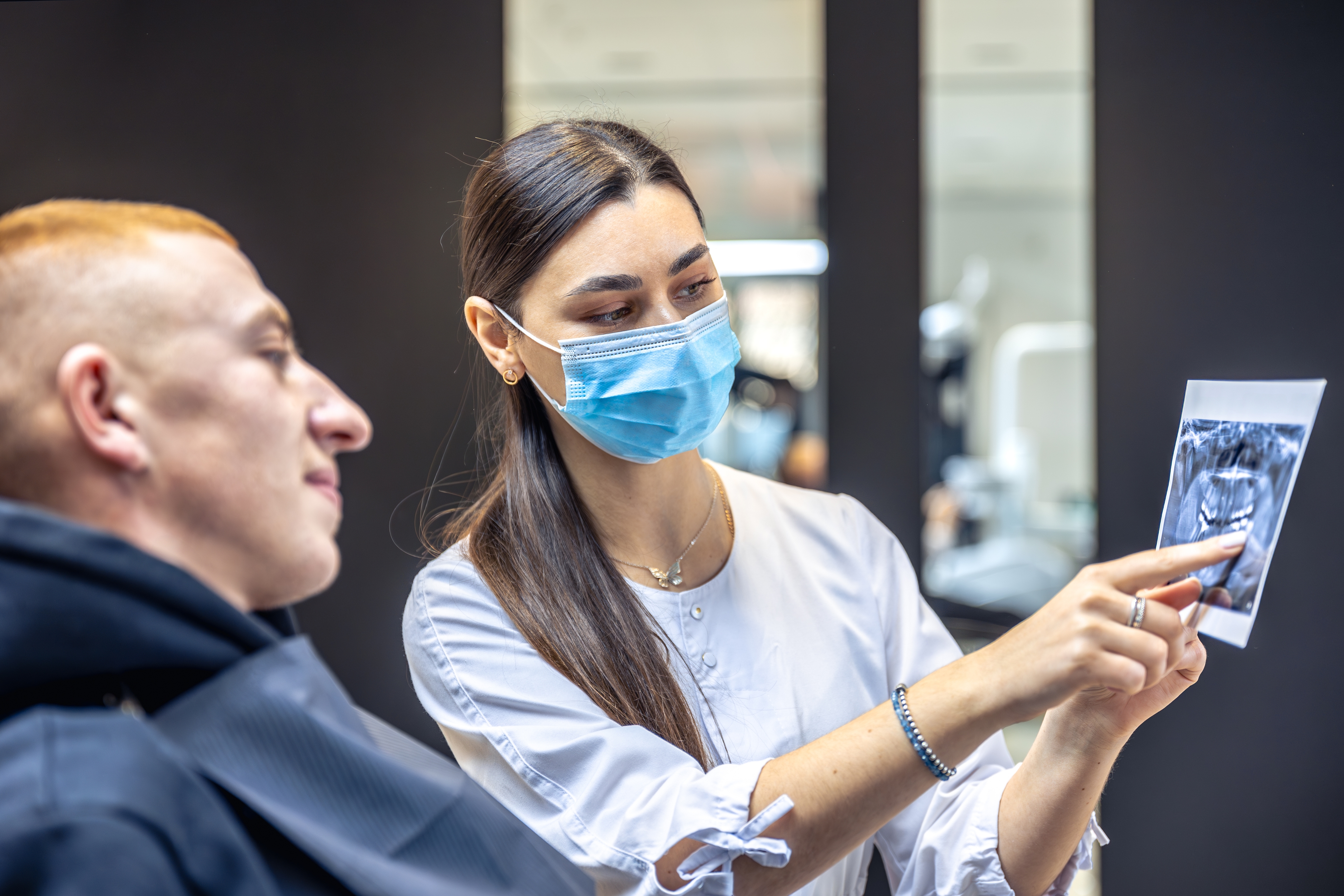
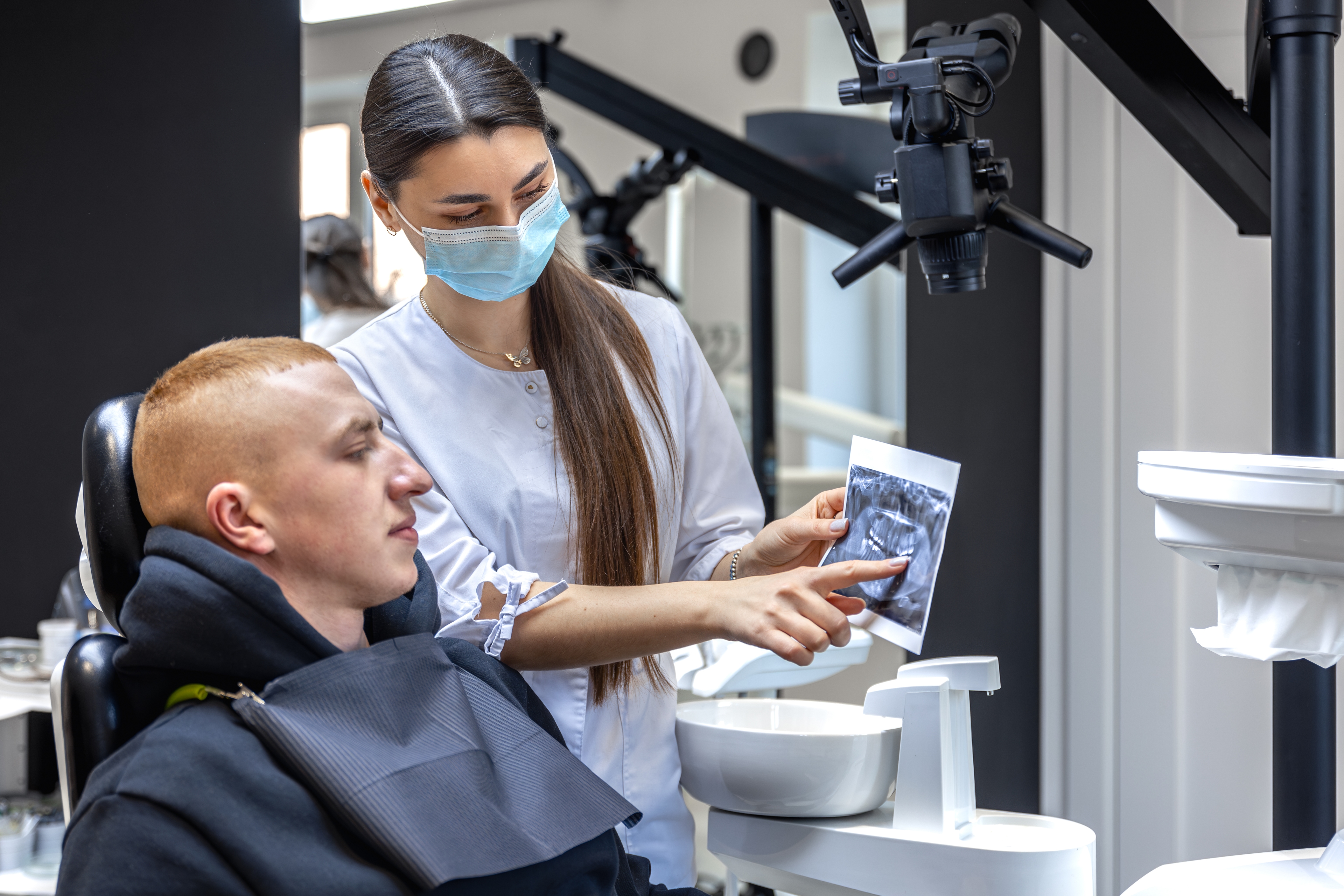
Yes — dental implants in Turkey are safe when the treatment is performed in a licensed, accredited facility by a qualified implantologist. Turkey ranks among the top three countries worldwide for the number of JCI-accredited healthcare organisations, every dental facility is licensed and inspected by the Turkish Ministry of Health, and any clinic legally treating international patients must hold an International Health Tourism Authorisation Certificate. In accredited Istanbul practices using premium titanium systems, 10-year implant survival is reported at roughly 95–98% — the same benchmark as Germany or the UK, at €400–€1,500 per implant instead of €2,000–€3,500. The risk is never “Turkey”. The risk is choosing the wrong clinic.
Primary regulator — Turkish Ministry of Health · mandatory licensing, sterilisation protocols, facility inspections
Medical tourism licence — International Health Tourism Authorisation Certificate · legally required to treat foreign patients
International accreditation — JCI (hospital-level) and ISO 9001 / ISO 13485 · voluntary, independently audited
Dentist verification — Turkish Dental Association (TDB) registration · every treating dentist must be listed
Implant survival — 95–98% at 10 years · premium systems, healthy non-smoking patients
Istanbul market price — €400–€900 mid-range brands · €800–€1,500 Straumann / Nobel Biocare, implant + abutment + crown
UK / Germany price — €2,000–€3,500 per implant · identical brands, identical protocols
Firma Clinic — single fixed package price, not per-graft or per-volume · full quote within 24 hours on WhatsApp
Turkey does not treat dentistry as a light-touch industry. Every clinic — Turkish-owned or foreign-facing — operates under a mandatory Ministry of Health licence covering facility hygiene, autoclave and sterilisation procedure, equipment standards, staffing ratios and documented patient rights. Facilities are inspected, and licences can be suspended.
On top of that sits the International Health Tourism Authorisation Certificate. This is the certificate most patients have never heard of and the one that matters most. It is granted only to organisations that meet additional standards specifically for foreign patients: qualified interpreting, transfer and accommodation arrangements, complaint handling, and traceable patient communication. A clinic advertising to the UK, Germany, Romania or Russia without this certificate is operating outside the framework designed to protect you.
You can verify a clinic’s status on the Turkish Ministry of Health’s HealthTürkiye portal, and verify the individual dentist through TDB registration. Both take five minutes.
These are voluntary accreditations — which is precisely why they are meaningful.
JCI (Joint Commission International) — hospital-level accreditation covering surgical safety, infection control, medication management and patient identification · re-audited on a three-year cycle · this is why complex or sedation cases in Istanbul are performed in JCI-accredited hospital settings rather than street-level offices
ISO 9001 — quality management systems: documented processes, traceability, corrective action
ISO 13485 — medical device management, relevant to implant traceability and sterile stock control
Firma Clinic works exclusively through JCI/ISO-accredited partner hospitals in Istanbul for surgical dentistry — a deliberate structural choice, not a marketing line. It also means your case file, imaging and implant records exist inside a hospital documentation system, not a spreadsheet.
Brand is the single biggest driver of both cost and long-term outcome. Ask for the brand in writing, before deposit.
Straumann (Switzerland) — SLActive surface, fastest documented osseointegration · lifetime manufacturer guarantee · €800–€1,200 per implant in Istanbul
Nobel Biocare (Switzerland/Sweden) — the original Brånemark lineage, strongest full-arch and All-on-4 evidence base · €900–€1,500 per implant
Osstem (South Korea) — high-volume global brand, strong mid-range value · €400–€700 per implant
MegaGen AnyRidge (South Korea) — excellent primary stability in soft bone · €450–€750 per implant
Turkish systems (Implance, Nucleoss) — CE-marked, lowest cost tier · acceptable, but ask about European service availability
Every genuine implant arrives with a serial number and a manufacturer’s certificate. If a clinic cannot hand you an implant passport with lot numbers at discharge, treat that as disqualifying.
Confirm the International Health Tourism Authorisation Certificate — ask for the number.
Verify the treating dentist’s TDB registration and years in implantology.
Get the implant brand, model and quantity in writing.
Ask whether surgery takes place in a JCI/ISO-accredited hospital setting.
Ask what the price includes — CBCT scan, extractions, bone graft, sinus lift, temporary crowns, final crowns, hotel, transfers.
Ask what a bone graft or sinus lift would add. In a fixed-package model, the answer should be “nothing”.
Ask for the written warranty and who honours it if you are back in Bucharest or Berlin.
Ask who your named coordinator is and in which language they work.
No brand named, or “we decide during surgery”
A full mouth quoted and completed in three days with no healing period
Pressure to pay a deposit before a CBCT scan or panoramic X-ray has been reviewed
Reviews only on the clinic’s own website
A price that changes after you land
Implantology is surgery, and honest clinics say so. Early failure of osseointegration occurs in roughly 2–5% of cases, most often linked to smoking, uncontrolled diabetes or insufficient bone volume. Peri-implantitis — inflammation around a placed implant — is the main long-term threat and is overwhelmingly driven by hygiene and follow-up, not by geography. Upper-jaw posterior cases frequently require a sinus lift; this is routine, adds three to six months of healing before loading, and should be identified on your CBCT scan before you travel, not discovered in the chair.
Operating in Istanbul since 2012, Firma Clinic runs dental cases through JCI/ISO-accredited partner hospitals with a single fixed package price — it does not scale with the number of implants, extractions or grafts your case turns out to need. Send photographs and, if you have one, a panoramic X-ray, and you receive a treatment plan and full quotation within 24 hours on WhatsApp. Coordination is handled in English, Russian, Turkish and Romanian by a named coordinator who stays with you from first message to final follow-up.
If you are planning timings, read How Many Days Do You Need in Istanbul for Dental Treatment? (2026). If you are weighing aesthetics alongside function, see Hollywood Smile in Turkey: Veneers vs Crowns — Cost & Process (2026). For the wider picture, see Istanbul Medical Tourism: 7 Reasons to Choose Turkey.
No. The price gap is structural, not clinical: lower labour and facility costs, a favourable exchange rate, and clinics operating at volume. The implant itself is manufactured in Switzerland, Sweden or South Korea and costs the same wholesale in Istanbul as in London.
The International Health Tourism Authorisation Certificate. It is the legal precondition for treating foreign patients, and asking for the number immediately separates regulated clinics from the rest.
Manufacturer warranties on Straumann and Nobel Biocare implant fixtures are international and honoured worldwide. Crown and prosthetic warranties are clinic-specific — get the terms and duration in writing before you pay.
Usually yes for implants. Visit one is surgery and placement (3–5 days); after 3–6 months of osseointegration, visit two is the permanent crown or bridge (4–6 days). Only immediate-loading full-arch protocols compress this.
Often yes, but risk rises measurably. Controlled diabetes with a stable HbA1c is usually acceptable; smoking should be stopped at least two weeks before and eight weeks after surgery. Full medical disclosure at assessment is what keeps the plan safe.
Free consultation with a Firma Clinic dental coordinator. Send your photos and X-ray on WhatsApp and receive a treatment plan and fixed-price quotation within 24 hours.
Prices are indicative and subject to individual clinical assessment. Medically reviewed by the Firma Clinic team.
Book a consultation
Free consultation with our specialists. We reply within 24 hours.